
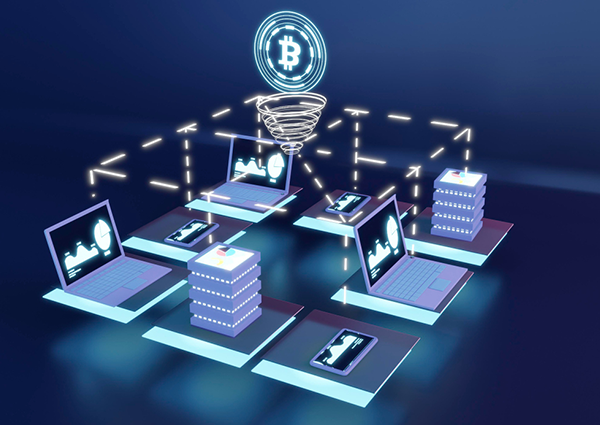
Imagine being able to own a fraction of a luxury hotel, a prime Mumbai apartment, or even a masterpiece by M.F. Husain — all without buying the entire asset. This isn’t futuristic fantasy; it’s the power of tokenization, where real-world assets (RWAs) are represented as digital tokens on the blockchain.
Tokenization is reshaping how we perceive value, ownership, and liquidity in the financial ecosystem. It allows investors to hold verifiable, tradeable shares of traditionally illiquid assets — democratizing access and transforming markets worldwide.
At TISS (The Indian School of Skills), we believe understanding tokenized assets is key to thriving in the Web3 economy of 2025 and beyond.
What Are Tokenized Assets?
Tokenized assets are real-world items — such as property, gold, art, stocks, or bonds — represented as digital tokens on a blockchain. Each token stands for a specific value or share of the underlying asset.
For example:
- 1 token = 1/1000th of an apartment in Mumbai.
- 10 tokens = partial ownership of a digital gold vault.
These tokens can be traded securely and transparently, thanks to blockchain’s immutable ledger.
Why Tokenization Matters in 2025
India’s digital economy is evolving rapidly, with a push toward blockchain adoption and decentralized finance. Tokenization stands out for three big reasons:
- Liquidity Unlocked:
Tokenized assets make it easy to trade portions of traditionally illiquid investments like real estate or fine art. Investors can buy, sell, or trade fractions anytime, increasing participation. - Transparency and Trust:
Each token’s data — ownership, history, and transaction details — is recorded immutably on the blockchain, ensuring full transparency. - Global Accessibility:
Tokenization allows investors from anywhere in the world to participate in Indian markets, bridging the gap between global capital and local assets.
Examples of Tokenized Assets in India and Beyond
- Tokenized Real Estate: Startups like PropShare and RealX in India are exploring fractional ownership in property through tokenization.
- Digital Gold: Platforms like Augmont and SafeGold have already begun representing gold through digital certificates backed by blockchain.
- Art and Collectibles: Artists and galleries are moving toward NFT-backed ownership for high-value pieces.
Globally, banks such as JPMorgan and Santander are developing tokenized versions of traditional securities — a strong signal that Web3 investing is no longer a niche idea.
(External source: CoinDesk – The Real World Asset Revolution)
The Blockchain Backbone: How It Works
The process involves:
- Asset Selection & Verification – The real-world asset is identified and legally verified.
- Token Creation (Minting) – A blockchain platform creates tokens that represent proportional ownership.
- Smart Contract Integration – These self-executing contracts automate ownership, dividend distribution, or transaction settlements.
- Trading & Custody – Investors buy/sell tokens through secure digital wallets or decentralized exchanges.
(Learn more about smart contracts in our upcoming blog: “Smart Contracts 101: How Blockchain Replaces Middlemen with Code.”)
Challenges and Risks of Tokenization
While the potential is massive, tokenization comes with real challenges:
- Regulatory Ambiguity: India’s laws are still evolving in defining tokenized assets and their classification.
- Security Risks: Mismanaged smart contracts or hacked wallets can lead to losses.
- Market Volatility: Like any emerging asset class, prices can fluctuate with sentiment and global crypto regulations.
That’s why education plays a crucial role — and why TISS offers specialized blockchain and Web3 certification programs to help learners navigate this space safely and strategically.
(Internal backlink: Explore TISS Blockchain Certification)
The Future of Tokenized Assets in India
By 2025, India could witness:
- Tokenized government bonds and real estate projects integrated with CBDC systems.
- RBI-approved digital asset frameworks allowing fractional investment by retail investors.
- Cross-border token exchanges linking Indian assets to global liquidity pools.
This transformation aligns perfectly with India’s Digital Public Infrastructure (DPI) and Web3 innovation roadmap under the Ministry of Electronics & IT.
(External source: MeitY Blockchain Strategy 2024)
How TISS Is Preparing Learners for the Tokenized Future
TISS’s Blockchain and Web3 programs go beyond theory — they equip learners with:
- Practical understanding of smart contracts and digital asset creation
- Insight into tokenization regulations and compliance
- Real-world case studies from Indian fintech and DeFi ecosystems
Whether you’re a financial analyst, tech enthusiast, or startup founder, mastering tokenized assets is your gateway to future-ready investing.
Key Takeaway: The Digital Ownership Revolution Is Here
Tokenization is not just about converting assets into digital forms — it’s about redefining access, inclusion, and value creation. In a country like India, where millions are seeking investment opportunities beyond traditional instruments, blockchain-based tokenized assets can unlock massive democratization of wealth.