From Clicks to Communities
The digital marketing world is changing faster than ever.
What started as an industry built on clicks, cookies, and conversions is now evolving into one that thrives on transparency, ownership, and participation — thanks to Web3.
In this new era, audiences don’t just consume content — they own it, co-create it, and profit from it.
At TISS (The Indian School of Skills), we’re helping professionals understand how blockchain, NFTs, and decentralized media are redefining brand storytelling and engagement for 2025 and beyond.
What Exactly Is Web3 Marketing?
Web3 marketing combines blockchain technology, decentralized networks, and tokenized incentives to create direct, transparent, and participatory relationships between brands and consumers.
In simpler terms:
It’s marketing built on trust and value exchange, not intrusive ads or third-party data tracking.
Unlike traditional marketing (Web2), where platforms like Google or Meta control audience data, Web3 gives control back to users — allowing them to own their digital identities and choose how they interact with brands.
Why Web3 Marketing Is a Game-Changer
1. True Data Ownership
Blockchain allows consumers to own their data, giving them the choice to share it with brands — securely and voluntarily.
This makes advertising more ethical and transparent.
2. Tokenized Loyalty Programs
Brands now reward customers with tokens or NFTs that carry real value — offering access, perks, and even profit-sharing.
3. Community-Led Branding
In Web3, brand growth happens through DAOs (Decentralized Autonomous Organizations), where loyal customers can vote on campaigns, designs, or new products.
4. Transparency and Trust
Blockchain eliminates fake impressions and fraudulent traffic — every ad view, click, and conversion can be verified on-chain.
(External source: CoinDesk – How Web3 Is Reshaping Marketing)
How Brands Are Already Adapting
Global Leaders Setting the Trend
- Starbucks Odyssey: A loyalty program powered by NFTs, offering customers immersive experiences.
- Adidas Into the Metaverse: A virtual NFT drop that generated millions in engagement revenue.
- Coca-Cola & Budweiser: Used NFT collectibles to enhance community engagement and digital storytelling.
Indian Brands Joining the Movement
- Tata Motors experimented with NFT launches for its vintage car collections.
- Zee Studios introduced film-based NFTs to reward loyal viewers.
- Startups like OneRare and FanCraze are building India’s early Web3 brand ecosystems.
(External reference: Business Insider India – Indian Brands Go Web3)
The Role of NFTs in Brand Loyalty
NFTs are redefining loyalty from “points and coupons” to ownership and belonging.
For example:
- A fitness brand could issue NFTs granting lifetime discounts or access to exclusive training content.
- A fashion label could reward loyal customers with NFT-based early access to collections or digital wearables for the metaverse.
This creates a two-way relationship — where the customer isn’t just a buyer but a co-owner of the brand’s journey.
(Internal backlink: Explore the TISS NFT & Brand Strategy Certification)
Metaverse: The New Frontier of Brand Experience
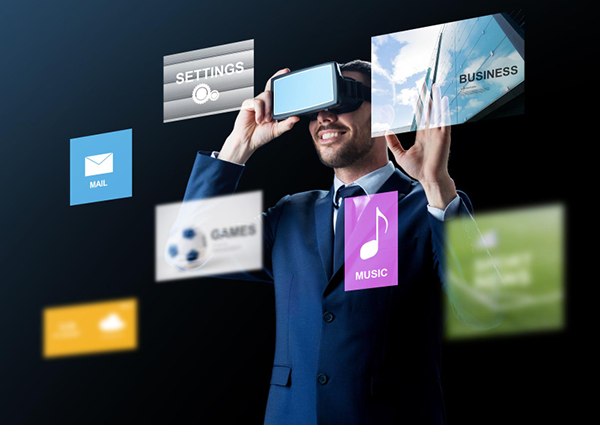
The metaverse — a virtual, interconnected digital world — is where many Web3 marketing strategies come alive.
Brands are building immersive experiences that blend storytelling, community, and commerce:
- Virtual showrooms where customers can explore products.
- Digital concerts powered by NFT ticketing.
- Avatar-based interactions for customer service and engagement.
India’s youth population, equipped with smartphones and AR/VR access, is fueling this next phase of interactive brand building.
(External source: McKinsey – The Business of the Metaverse 2024)
Challenges of Web3 Marketing
Like all innovations, Web3 marketing comes with challenges that require both education and ethical awareness:
- User Education: Many customers still don’t fully understand blockchain or digital wallets.
- Regulatory Ambiguity: India’s advertising and crypto guidelines are evolving.
- Scalability and Security: Managing tokenized campaigns securely requires skilled teams.
That’s why TISS’s Web3 programs emphasize both technology and compliance literacy, preparing marketers to innovate safely and strategically.
(Internal backlink: Join the TISS Certified Web3 Marketing Program)
How TISS Is Preparing the Next Generation of Marketers
TISS integrates Web3 and blockchain concepts into its marketing and entrepreneurship curriculum, helping learners:
- Understand decentralized brand building and community management.
- Design tokenized loyalty models and NFT campaigns.
- Learn the fundamentals of blockchain advertising and analytics.
- Explore real-world case studies of Indian and global Web3 campaigns.
Through these programs, TISS empowers professionals to lead in a world where marketing is not about selling — it’s about connecting.
The Future of Marketing: Ownership, Not Just Engagement
By 2025, traditional digital marketing will look entirely different.
Brands that survive will be those that give ownership back to their communities.
Consumers won’t just follow brands — they’ll co-own their narratives through tokens, DAOs, and NFTs.
Web3 marketing is, therefore, not a trend — it’s a shift in digital culture.
It’s where transparency, creativity, and technology finally align.
Key Takeaway: Web3 Puts People Back at the Center of Marketing
The future of marketing is not algorithm-driven — it’s community-driven.
By combining blockchain’s trust with creativity and inclusion, Web3 turns audiences into advocates, and transactions into relationships.